
Japanese Acupuncture in Berlin Kreuzberg
Acupuncture was introduced to Japan more than 1,000 years ago by Buddhist monks, and Japanese culture has left its own mark on it. A diagnosis is made through a finely structured pulse examination and through palpating and feeling the abdomen (Hara diagnosis).
Comparison of Chinese and Japanese Acupuncture:
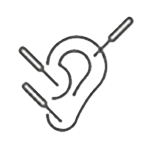 One of the special features of Japanese acupuncture is that the needle is not inserted – or the much finer needles (compared to those common in Chinese acupuncture) touch the skin only very superficially.
These gentle techniques stimulate acupuncture points, balancing the meridian system and releasing blockages. Japanese acupuncture was traditionally practised by the blind until well into the 19th century; a sighted practitioner needs much more practice and experience to train their sense of touch.
The great importance of a fine and experienced sense of touch is typical for the practice of Japanese acupuncture. The gentle treatment approach of Toyohari acupuncture places its main focus on the manner of touch.


Mit dem Laden der Karte akzeptieren Sie die Datenschutzerklärung von Google.
Mehr erfahren