
Chinese Medicine in Berlin Kreuzberg
Traditional Chinese Medicine (TCM) describes a system of treatment that has evolved over more than 2,500 years and has its origins in ancient China.
It essentially consists of five pillars:
- Acupuncture and moxibustion
- Herbal medicine
- Coordination exercises (Qigong and Taiji)
- Massage (Tuina)
- Nutrition (Chinese dietetics)
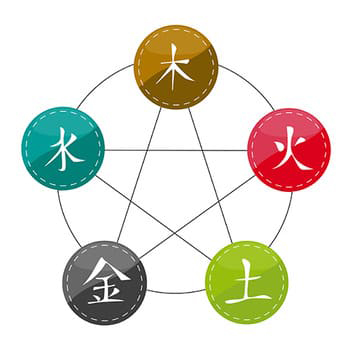
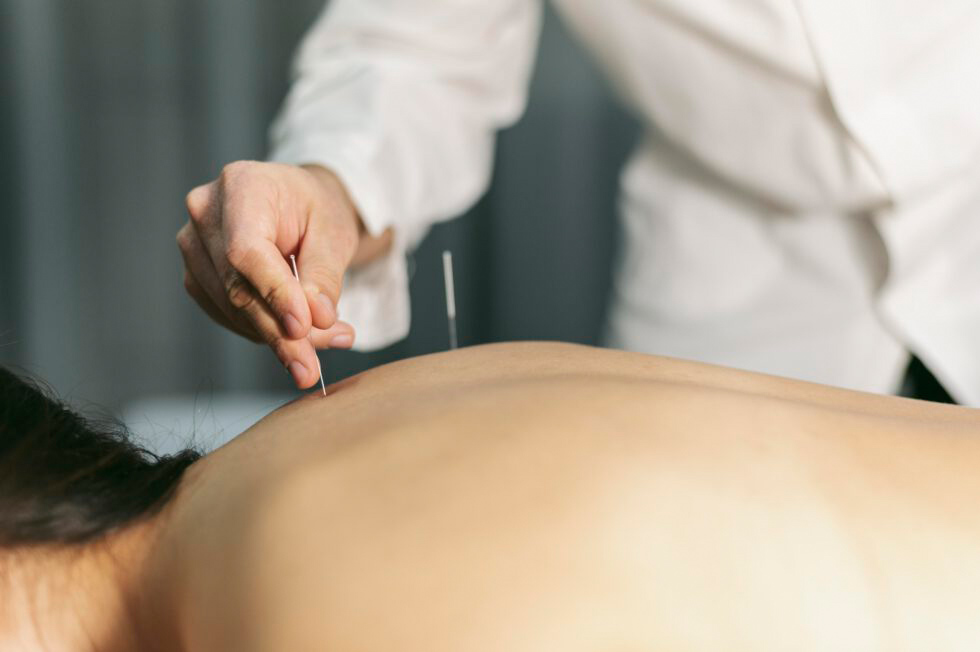
Acupuncture & Moxibustion
In acupuncture, fine needles are inserted into specific body points / acupuncture points in order to influence and improve the flow of energy – the flow of Qi.
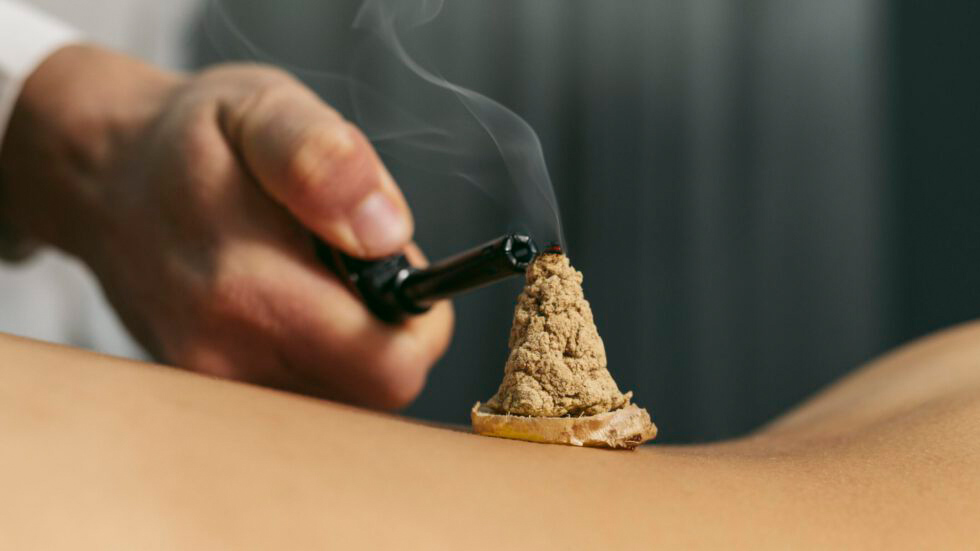
In moxibustion, the acupuncture points are warmed with burning mugwort, stimulating the flow of energy in a similar way to acupuncture.
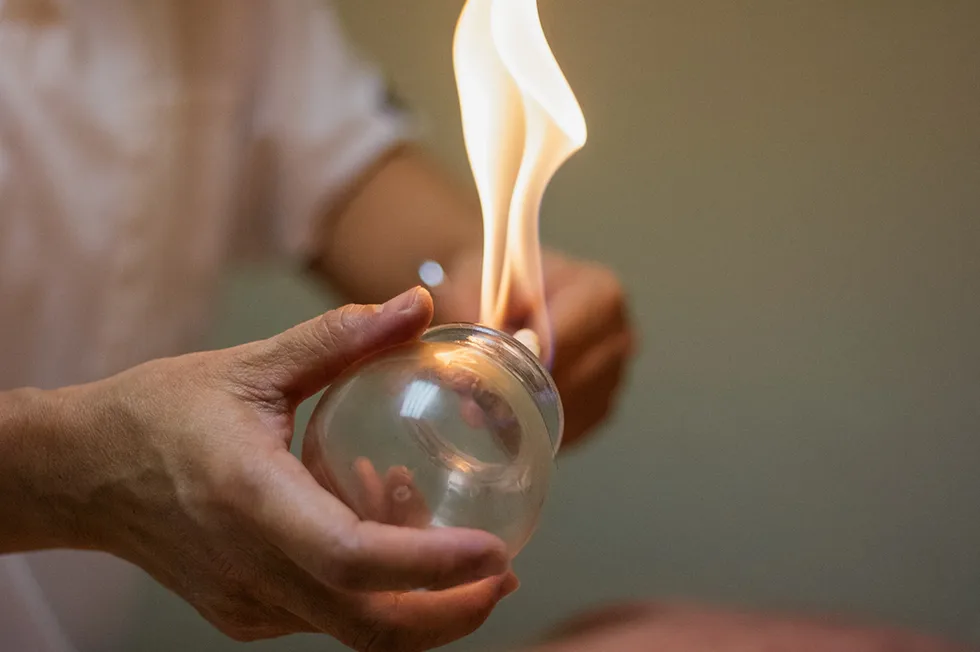
Cupping Therapy
A vacuum is created in cupping glasses/cups, which are placed directly on the skin. According to TCM teaching, this frees the meridians, improves the circulation of blood and Qi, relieves pain and promotes healing.
Tuina
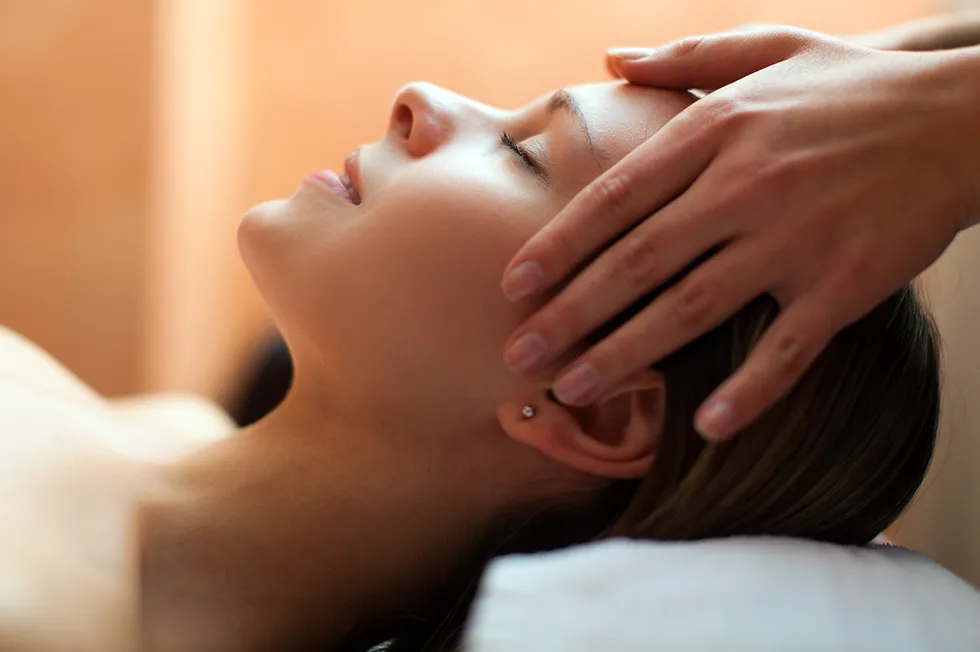
Tuina massage is the oldest form of therapy in TCM and combines various treatment techniques, all of which aim to positively influence the flow of the life energy Qi.
Chinese Herbal Medicine
In Chinese herbal medicine, plant components such as seeds, berries, roots, leaves and barks, as well as mineral medicinal substances, are combined into an individual formula (in China also of animal origin – not in Europe!). These remedies usually consist of 2–20 different plant components in order to enhance their effectiveness through synergism – just as is common practice and well proven in Western phytotherapy:
Examples of plant combinations in Western phytotherapy
Vervain + gentian root + garden sorrel for sinusitis; saw palmetto fruit + nettle root for urinary complaints due to benign prostate enlargement; rosemary + centaury + lovage for inflammatory diseases of the urinary tract; nasturtium and horseradish (mustard oils) for various colds, and much more.
There are also positive meta-analyses and studies on Chinese herbal medicine, which is attracting growing interest – increasingly in Western medicine as well – especially for the (accompanying) treatment of infectious, autoimmune, metabolic and gastrointestinal diseases.
One example is the formula Qiliqiangxin, consisting of 11 different herbs, which showed effectiveness in the “Western” treatment of heart failure in a randomised study in 2023.
External link:
DocCheck: Herztherapie: Made in China
How Acupuncture Works from the Perspective of "Western Medicine"
Pain relief:
Western medicine and science assume that the stimulating effect of the needles releases more endorphins – the body’s own pain-relieving substances. As a result, the intensity of pain can be significantly reduced, sometimes entirely without medication.
Influence on the body’s own messenger substances:
The body’s own messenger substances – “happiness hormones” such as serotonin, dopamine, noradrenaline, oxytocin etc. – are also released. The result is a significant reduction in stress and an increase in well-being.
Bioelectrical regulation:
All nerve and muscle processes are, among other things, electrical processes. By stimulating with acupuncture needles, the therapist can influence, for example, the polarity (electrical charge conditions) of the muscle cells. This can result in improved blood circulation in the surrounding muscles.
Philosophy of Chinese Medicine
Chinese medicine offers a different view of our illnesses because its view of the world is different. All phenomena of this world are considered from the perspective of unity.
Chinese Medicine – the Unity of Yin and Yang:
 The unity of Yin and Yang is not always perceptible to us as a unity; instead, we always see two parts first – such as
- day and night,
- hot and cold,
- man and woman.
In the Chinese way of thinking, these two poles are not separate realities – they only appear that way to us. For example, day and night together form an inseparable unity of 24 hours.
“When dealing with the complex, begin with the simple, for mastery of the great requires a beginning in the small.” (Laozi, De Dao Jing)
Taking into account all internal factors (such as emotions) and external factors (such as lifestyle habits and the climatic and social environment), Chinese medicine uses its methods of acupuncture, Tuina, Qi Gong, herbal medicine and dietetics to bring body and mind back into harmony.
“All illness is connected with the state of the Qi.” (Huangdi Neijing, around 2600 BC)
Mit dem Laden der Karte akzeptieren Sie die Datenschutzerklärung von Google.
Mehr erfahren